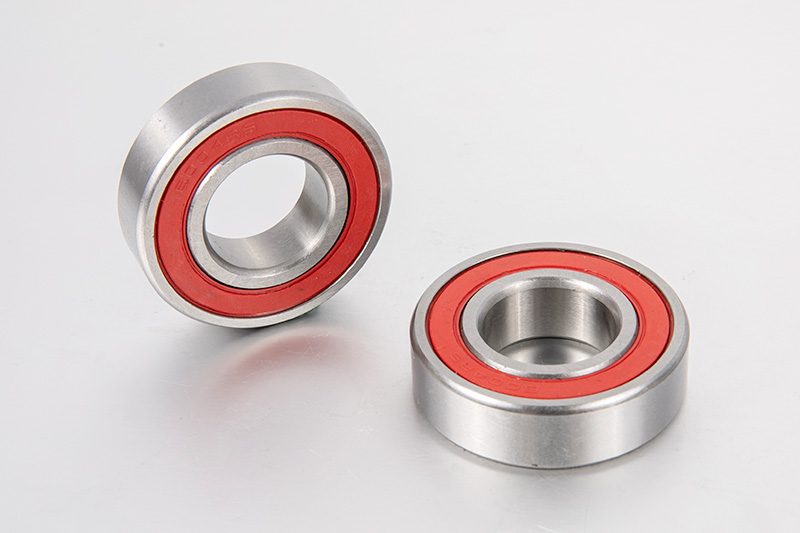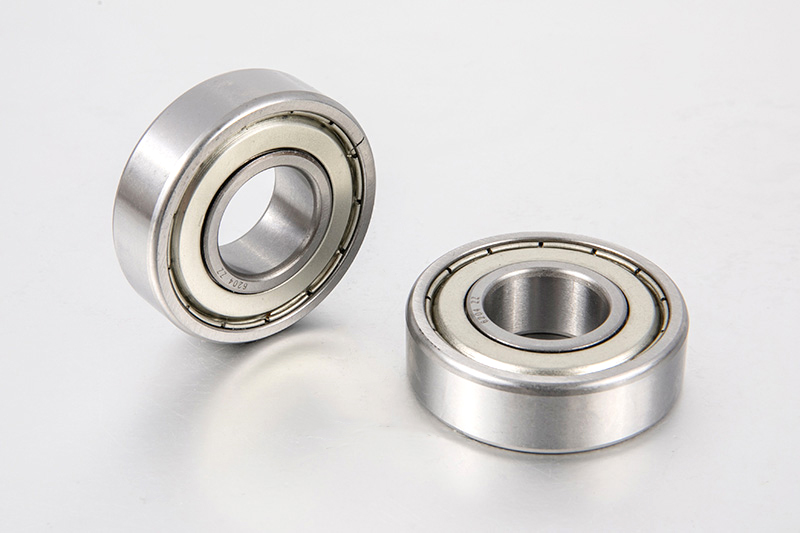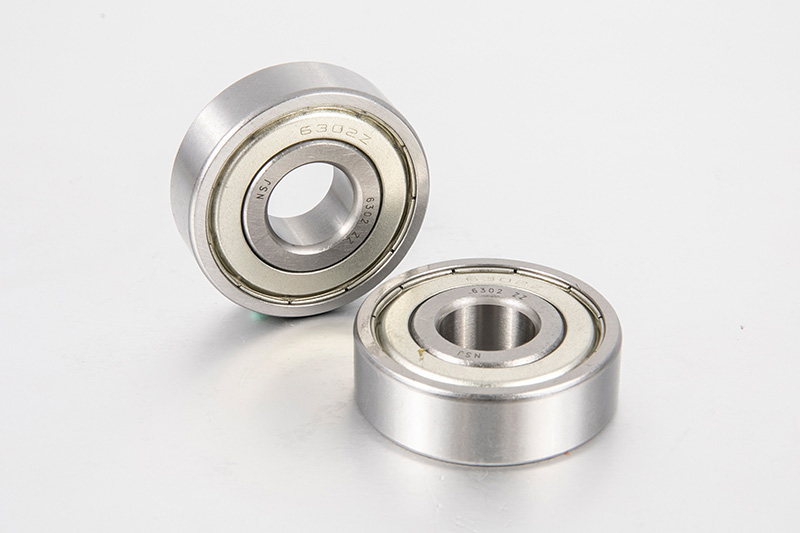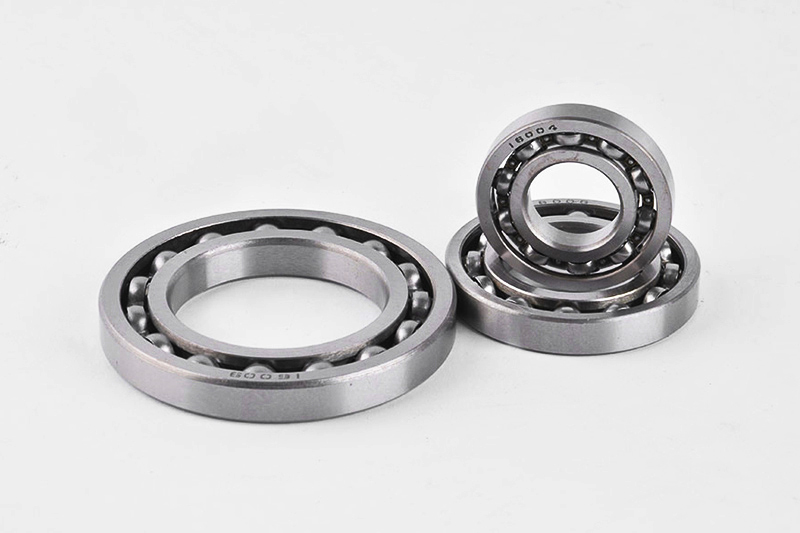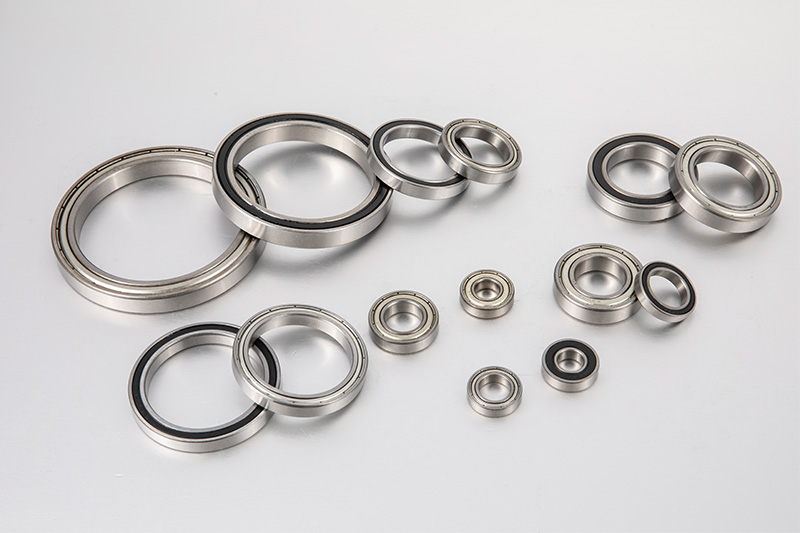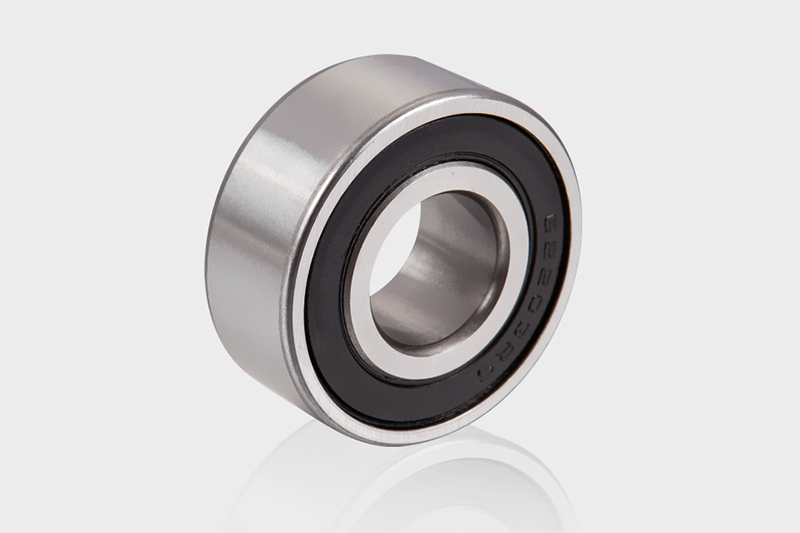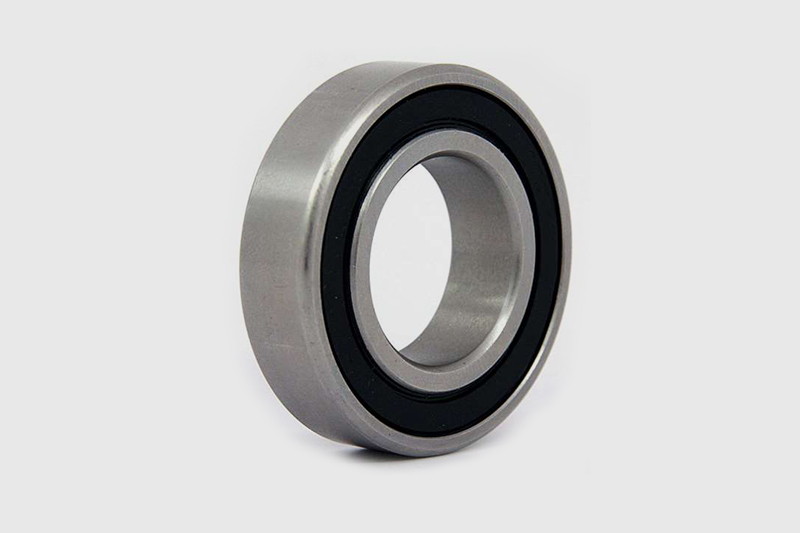


A grooved roller bearing is selected by matching its bore diameter to the shaft, its groove profile to the track or rail it rides on, and its dynamic load rating to the actual operating force. For light-duty sliding applications like drawer slides or small conveyors, a V-groove bearing with a bore under 10mm is typical. For industrial guide systems carrying heavy radial loads, a U-groove or crowned-groove bearing rated above 1,000 lbs dynamic load is standard. The groove shape must always match the rail profile exactly — a V-groove bearing will not run properly on a U-shaped track, regardless of how close the bore size is.
The sections below explain the common groove profiles, how to size a bearing by bore, load, and speed, material options for different environments, and how to identify the right bearing when no part number is available.
What a Grooved Roller Bearing Is
A grooved roller bearing is a bearing whose outer race has a machined channel running around its circumference, designed to ride along a matching rail, track, or guide rod. Unlike a standard ball or roller bearing that simply rotates around a shaft, the groove constrains lateral movement, making these bearings the core component in linear motion systems, sliding doors, conveyor guides, and cam-following mechanisms.
The groove geometry is what separates this category from standard bearings, and it's the first thing to identify before selecting a replacement or new component.
Common Groove Profiles and Where They're Used
The groove profile must match the rail or track it runs on — this is non-negotiable, since profile mismatches cause uneven wear, vibration, and premature bearing failure even when the bore size is correct.
| Groove Profile | Rail Type | Typical Application |
|---|---|---|
| V-Groove | Angled steel rail or angle iron | Sliding gates, barn doors, light conveyors |
| U-Groove | Round rod or cable | Wire guides, pulley systems, cable carriers |
| H-Groove | Flat or square rail | Cam followers, indexing tables |
| Crowned (convex) | Flat track | High-precision linear motion, robotics |
How to Size a Grooved Roller Bearing
Bore Diameter
The bore must match the shaft or axle diameter exactly, typically specified in millimeters for industrial bearings (e.g. 8mm, 10mm, 12mm, 20mm). A bore that's even 0.1mm oversized will cause play and wobble; undersized will not fit at all.
Outer Diameter and Groove Width
The outer diameter determines overall bearing size, while groove width and depth must match the rail's cross-section. A groove that's too shallow allows the bearing to lift off the rail under lateral force, while one that's too deep increases friction and accelerates wear.
Dynamic and Static Load Ratings
Dynamic load rating refers to the maximum force the bearing can handle while rolling; static load rating applies when the bearing is stationary under load. Always size for dynamic load with a safety factor of at least 1.5x the expected operating force, since real-world conditions like vibration, misalignment, and shock loading reduce effective capacity below the catalog rating.
| Bore Size | Outer Diameter Range | Approx. Dynamic Load | Typical Use |
|---|---|---|---|
| 5-8mm | 16-24mm | Up to 300 lbs | Drawer slides, small fixtures |
| 10-12mm | 30-40mm | 300-800 lbs | Sliding doors, light conveyors |
| 15-20mm | 47-62mm | 800-2,000 lbs | Industrial guide systems, gates |
| 25-30mm | 72-90mm | 2,000+ lbs | Heavy gantries, material handling |
Material and Environment Considerations
Steel (Chrome or Carbon)
The standard choice for indoor industrial use, offering the highest load capacity and longest fatigue life under repeated cycling. Requires periodic lubrication and is vulnerable to rust if exposed to moisture.
Stainless Steel
Used in washdown environments, food processing, and outdoor applications where corrosion resistance is required. Load capacity typically runs 10-15% lower than equivalent chrome steel bearings due to the softer alloy.
Nylon or Polymer
Lightweight and self-lubricating, well suited to low-load, low-noise applications like sliding door systems in residential or light commercial settings. Not recommended for high dynamic loads or high-temperature environments above roughly 180°F.
How to Identify a Bearing With No Part Number
- Measure the bore diameter with a caliper at the inner race; round to the nearest standard metric size.
- Measure the outer diameter across the widest point of the bearing, including the groove edges.
- Trace the groove profile against the rail it was running on — a V-shape, U-shape, flat, or crowned surface.
- Check the width of the bearing body, since two bearings with identical bore and outer diameter can still differ in width and therefore in load rating.
- Inspect for a stamped code on the bearing face — even worn or painted-over bearings often retain a partial manufacturer code that narrows down the match.
Quick Reference Checklist
- Confirm the groove profile (V, U, H, or crowned) matches the rail exactly.
- Match the bore diameter precisely to the shaft — no rounding up or down.
- Size for dynamic load with at least a 1.5x safety factor over expected force.
- Choose material based on environment: steel for indoor loads, stainless for moisture/washdown, nylon for light and quiet operation.
- Verify bearing width, not just bore and outer diameter, before ordering a replacement.